How Digital Wallets Are Streamlining Access to Live Table Experiences and Tiered Reward Structures Across Portable Platforms
Written by Ellis Griffin · May 15, 2026
How Digital Wallets Are Streamlining Access to Live Table Experiences and Tiered Reward Structures Across Portable Platforms
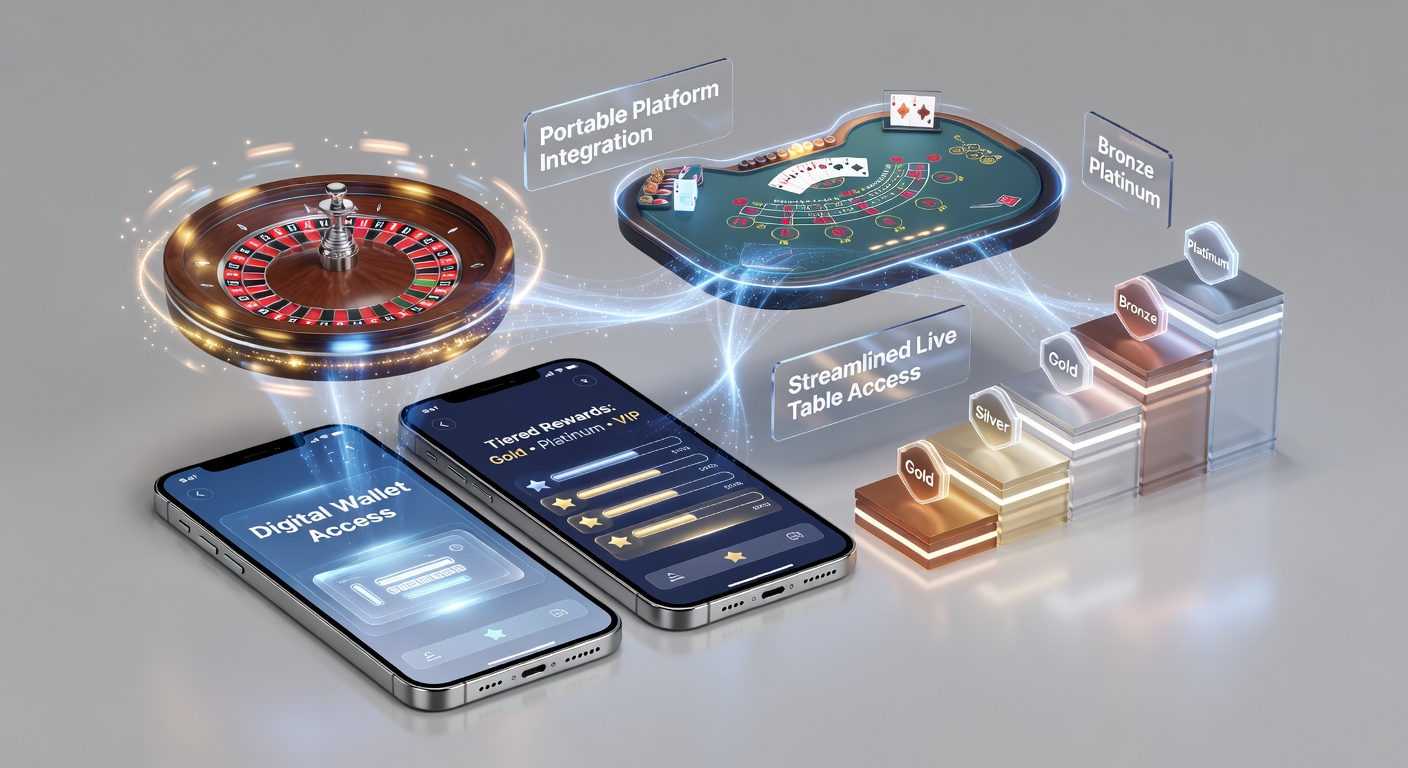
Digital wallets have transformed how players connect with live dealer tables and manage layered loyalty programs on phones and tablets, and the shift continues to accelerate through 2026. Platforms now embed payment systems that handle deposits, withdrawals, and real-time reward tracking without forcing users to leave the app environment.
Integration of Digital Wallets with Live Dealer Platforms
Live table games require fast, reliable transactions to keep momentum at blackjack, roulette, and poker tables, and digital wallets meet that demand by linking directly to mobile gaming accounts. Users complete deposits in seconds through services such as Apple Pay, Google Pay, and specialized e-wallets, which then feed straight into the live dealer interface. This connection reduces the steps between funding an account and joining a streamed table, allowing continuous play across sessions that span multiple devices.
Data from the Nevada Gaming Control Board shows mobile live dealer traffic rising sharply once operators adopted wallet APIs that sync balances instantly. Players on tablets can switch from portrait to landscape mode mid-hand while the wallet maintains session continuity, and the same holds true when moving between smartphone apps and browser-based versions. Observers note that these integrations also cut processing delays that once interrupted dealer interactions.
Tiered Reward Structures and Wallet-Enabled Tracking
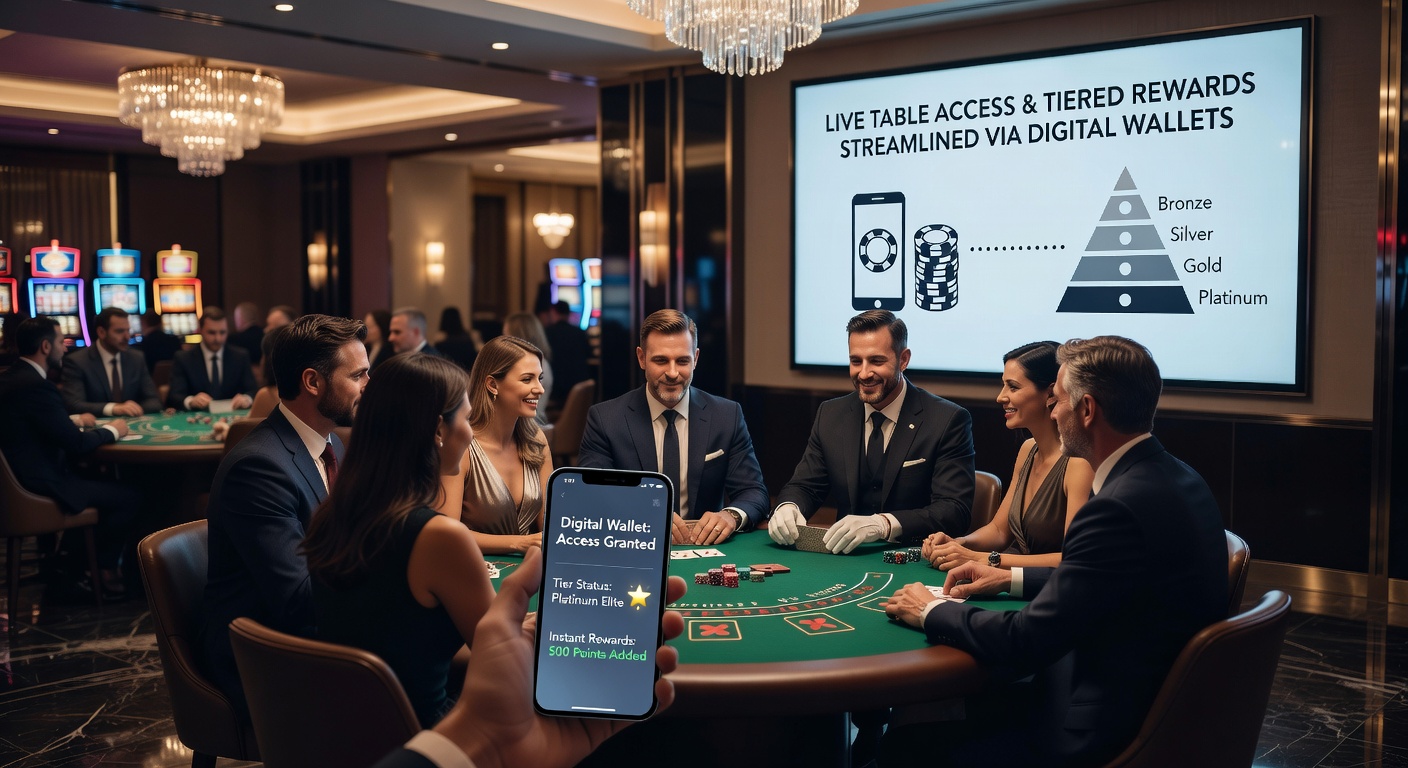
Reward programs now operate through tiered models that calculate points, cashback percentages, and exclusive table access based on cumulative activity. Digital wallets feed this system by logging every transaction automatically, which means players see their progress toward the next tier update in real time rather than waiting for daily or weekly reconciliations. Higher tiers unlock benefits such as dedicated dealer rooms, faster withdrawal limits, and personalized promotions that appear directly in the mobile interface.
Research from the European Gaming and Betting Association indicates that operators using wallet-linked loyalty engines record higher retention rates because users can track and redeem rewards without exiting the portable platform. One study tracked accounts that combined wallet deposits with tier progression and found average session lengths increased when balance updates occurred within the same screen view as the live table feed. The system treats play across phones, tablets, and even connected wearables as a single data stream, so tier status remains consistent no matter which device a player chooses at any moment.
Portable Platform Compatibility and Security Protocols
Cross-device functionality depends on standardized wallet protocols that operate under strict encryption and regulatory compliance. Operators design apps so that a single digital wallet credential works whether the user opens a native iOS app, an Android application, or a responsive web version. Security features include tokenization that replaces card details with one-time codes, biometric confirmation through fingerprint or facial recognition, and automatic session timeouts that protect active live table connections.
As of May 2026, several jurisdictions are implementing updated technical standards that require wallet providers to share anonymized transaction metadata with gaming systems. This allows reward tiers to incorporate spend velocity and game-type preferences without exposing personal banking information. The approach supports seamless movement between devices while maintaining audit trails that regulators require for responsible gaming monitoring.
Case Examples from Current Deployments
Operators in multiple regions demonstrate how these systems function at scale. In one deployment, a major platform links player wallets to a live roulette lobby where deposits trigger immediate tier point awards visible on the same screen. Another example involves a North American operator that rolled out wallet-based access to private tables reserved for top-tier members, with entry granted automatically once the wallet confirms qualifying activity levels across portable sessions.
These implementations share common traits: minimal friction at deposit, instant visibility of reward progress, and consistent performance whether the user stays on one device or switches midway through a live dealer session. Figures reveal that average deposit frequency rises when players can fund accounts directly from stored wallet balances without re-entering payment details on each platform.
Conclusion
Digital wallets continue to reshape access to live table experiences and the management of tiered rewards on portable platforms through faster transactions, unified tracking, and cross-device continuity. Current deployments show measurable gains in session engagement and reward visibility, while upcoming technical standards scheduled for broader rollout after May 2026 are expected to further standardize these connections across regulated markets. The result is a more integrated experience where funding, play, and loyalty progression operate as a single, fluid process on the devices players already carry.