How Loyalty Structures Connect Athletic Wagering Options with Digital Reel Entertainment on Handheld Devices
Written by Gisela Washington · Jun 7, 2026
How Loyalty Structures Connect Athletic Wagering Options with Digital Reel Entertainment on Handheld Devices
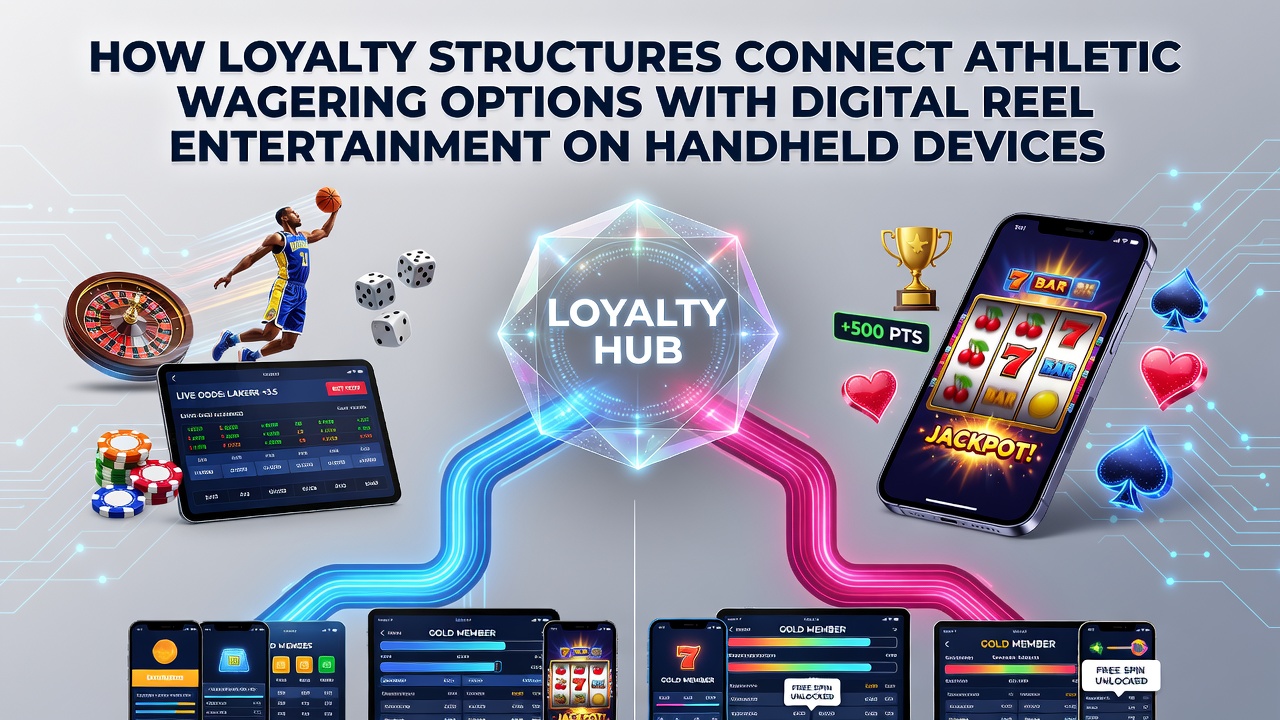
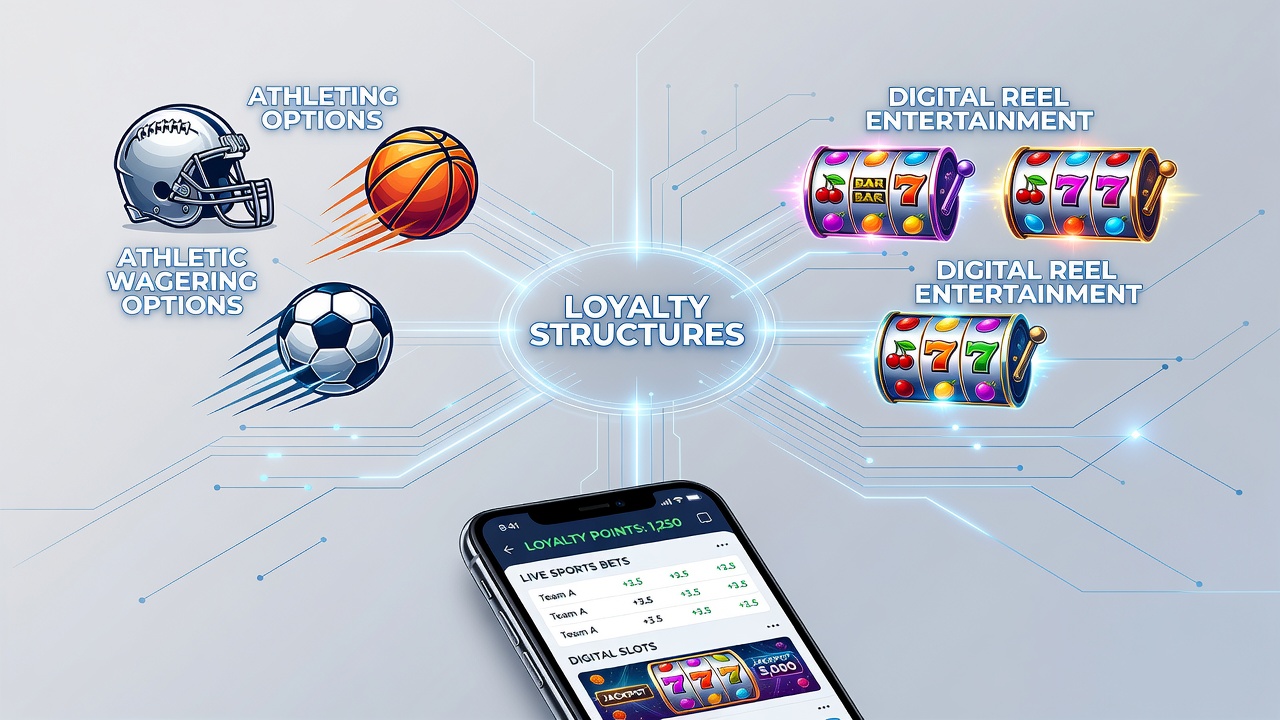
Loyalty structures in gaming have evolved to bridge athletic wagering and digital reel entertainment on handheld devices through unified point systems that reward activity across both categories. Operators design these frameworks so users accumulate credits from placing wagers on sports events and then redeem them directly in reel-based games without switching platforms or accounts. This integration relies on backend databases that track every transaction in real time, allowing seamless transfers of value between the two entertainment types while maintaining compliance with jurisdictional rules.Development of Cross-Format Reward Mechanisms
Early loyalty programs treated sports betting and reel games as separate silos, yet operators began merging them once mobile applications gained dominance in user engagement. Data from regulatory filings shows that by 2025 many platforms had introduced tiered memberships where points earned through athletic wagers unlocked bonus spins or multipliers in digital reel titles. The transition accelerated because handheld devices provide constant connectivity, enabling instant updates to user balances and preference profiles. Observers note that this connectivity supports algorithms which adjust reward offers based on individual patterns of play across both wagering formats.
Platforms now employ a single currency model where loyalty points function interchangeably, although conversion rates may differ depending on whether the activity originated from athletic wagering or reel spins. Research from industry associations indicates that users who engage with both categories tend to maintain higher account activity levels over extended periods compared with those focused on a single format. Handheld interfaces display these unified balances prominently, often through dashboard widgets that update after each session concludes.
Technical Integration on Portable Platforms
Application developers use application programming interfaces to link sports betting modules with reel game engines so loyalty actions trigger across both environments. When a user completes a wager on a live athletic event, the system records the outcome and adds corresponding points that become available immediately for reel entertainment sessions. Conversely, extended play in digital reel titles can generate points that carry over to future athletic wagering opportunities, creating a continuous loop of engagement.
Security protocols encrypt all point transfers and require multi-factor authentication before redemptions occur on mobile networks. According to reports filed with the Nevada Gaming Control Board, these measures have reduced unauthorized account activity while preserving user convenience during rapid switches between athletic and reel content. Device sensors such as touch response and location data further refine the experience by personalizing reward suggestions in real time without requiring additional user input.
Regulatory Context and June 2026 Developments
Multiple jurisdictions have examined how cross-format loyalty structures affect responsible gaming standards, leading to updated guidelines that took effect in several regions during June 2026. These updates require operators to display clear conversion tables so users understand how points move between athletic wagering and reel entertainment. Canadian provincial regulators, including those in Ontario, have issued similar directives that emphasize transparency in mobile environments where rapid play cycles are common.
Industry groups such as the American Gaming Association have compiled statistics showing increased adoption of unified loyalty systems following these regulatory clarifications. The figures reveal that platforms offering interchangeable rewards across both categories recorded measurable growth in session duration during the months after the June 2026 policy shifts. Operators continue to adjust their systems to align with these evolving requirements while expanding availability on additional handheld operating systems.
Practical Examples of Unified Programs
One established operator implemented a tiered structure where athletic wager volume directly influenced reel game bonus frequency on its mobile application, resulting in documented increases in cross-category participation according to internal metrics shared with oversight bodies. Another platform introduced milestone rewards that activated only after combined activity thresholds were met in both sports and reel sections, demonstrating how loyalty mechanics can guide user navigation between formats.
These examples illustrate the operational reality that loyalty structures now serve as connective tissue rather than isolated perks. Handheld device users receive push notifications that highlight available redemptions in whichever category they have not recently accessed, maintaining balanced engagement without manual prompting.
Conclusion
Loyalty structures continue to link athletic wagering options with digital reel entertainment by creating shared reward pathways optimized for handheld device usage. Regulatory developments in June 2026 reinforced requirements for transparency in these connections, while technical advancements ensure point transfers occur reliably across formats. Data from multiple oversight agencies shows sustained user activity when programs allow fluid movement between the two entertainment types, confirming that integrated systems represent a stable feature of modern mobile gaming environments.